
Read our Free UX Assessment Self-Help Guide
How to build for Zillennials through human–first digital design
Created on
December 9, 2025
The fitness industry’s next digital evolution isn’t about adding features or chasing trends, it’s about understanding people. Millennials and Gen Z now represent the largest share of wellness spending, which is dramatically reshaping how fitness products are designed and built. As wellness becomes a lifestyle economy in itself, digital design now determines which brands earn daily engagement and which fade into the background.
At The Norm, the digital experience agency within Coherent Solutions, we focus on designing digital experiences that connect to a user’s community and their personal wellbeing. Through decades of work in the fitness & wellness industry, we see that the future of fitness belongs to brands that design for identity, not just activity.
This evolution is outlined in detail in a recent whitepaper published by Coherent Solutions, Future of Fitness: Winning with Digital Value Creation.
The biggest transformation shaping fitness isn’t technological, it’s cultural. Millennials and Gen Z collectively account for more than 40% of all wellness spending (McKinsey, Future of Wellness Trends). This hybrid audience, often referred to as Zillennials, defines what wellness means today, specifically identity and community. To connect with them, brands need to translate what they value into experiences that feel personal.
This redefinition has practical consequences. Younger users adopt new apps easily but abandon them just as quickly if the design feels transactional or fragmented. It becomes incredibly important to link data, content, and design into one coherent ecosystem that builds loyalty beyond the workout.
Zillennials don’t just “go to the gym.” Fitness is part of their identity, and it’s woven into their routines and relationships. We see fitness and wellness as part of a wider lifestyle ecosystem that we call the Human Performance Economy, where digital behaviors in one lifestyle sector are heavily influenced by user familiarity in other adjacent lifestyle sectors.
Research shows that Zillennials in the Human Performance Economy struggle to stay motivated with 37% citing consistency as their top challenge and reporting higher stress levels than any other generation. It should come as no surprise, then, that they prioritize mindfulness (42%) and define success in terms of emotional balance rather than appearance.
They’re looking for balance and purpose. Digital experiences should support their search by nudging them toward routine, adapting goals, reflecting their progress, and reducing friction precisely when their motivation dips.

To a Zillenial, wellness means:
Inclusivity — Safe, welcoming spaces that help them overcome gymtimidation.
They are digital natives who expect experiences and interfaces to be as intuitive as their social apps, as flexible as their schedules, and as emotionally supportive as their favorite creators.
Each expectation defines a UX priority, and together, they form the blueprint for the next generation of fitness design.
To attract and retain this generation, brands can’t rely on a single app or membership portal. Success depends on designing a connected digital ecosystem that fits seamlessly into users’ lives.
Drawing on our team’s behavioral design insight, here are six principles shaping the next generation of digital fitness experiences:
Many beginners, especially Zillennials, feel anxious long before stepping into a gym. Design can ease that barrier by creating digital experiences that build confidence gradually:
While millennials may respond to leader boards, GenZ values encouragement over competition. A welcoming experience doesn’t just improve usability, it can also increase trial-to-member conversions and build trust and loyalty from the very first tap.
Zillennials follow creators who reflect their values. That’s why authenticity and expertise matter more than fancy branding.
Brands can turn that trust into engagement by:
Shared moments turn every user into an advocate and every workout into a story worth sharing.
Zillennials expect fitness to move with them, from the gym floor to the living room to the park bench. Designing true omni-fitness experiences means:
When every channel feels unified, brands are more likely to see daily engagement rather than occasional check-ins
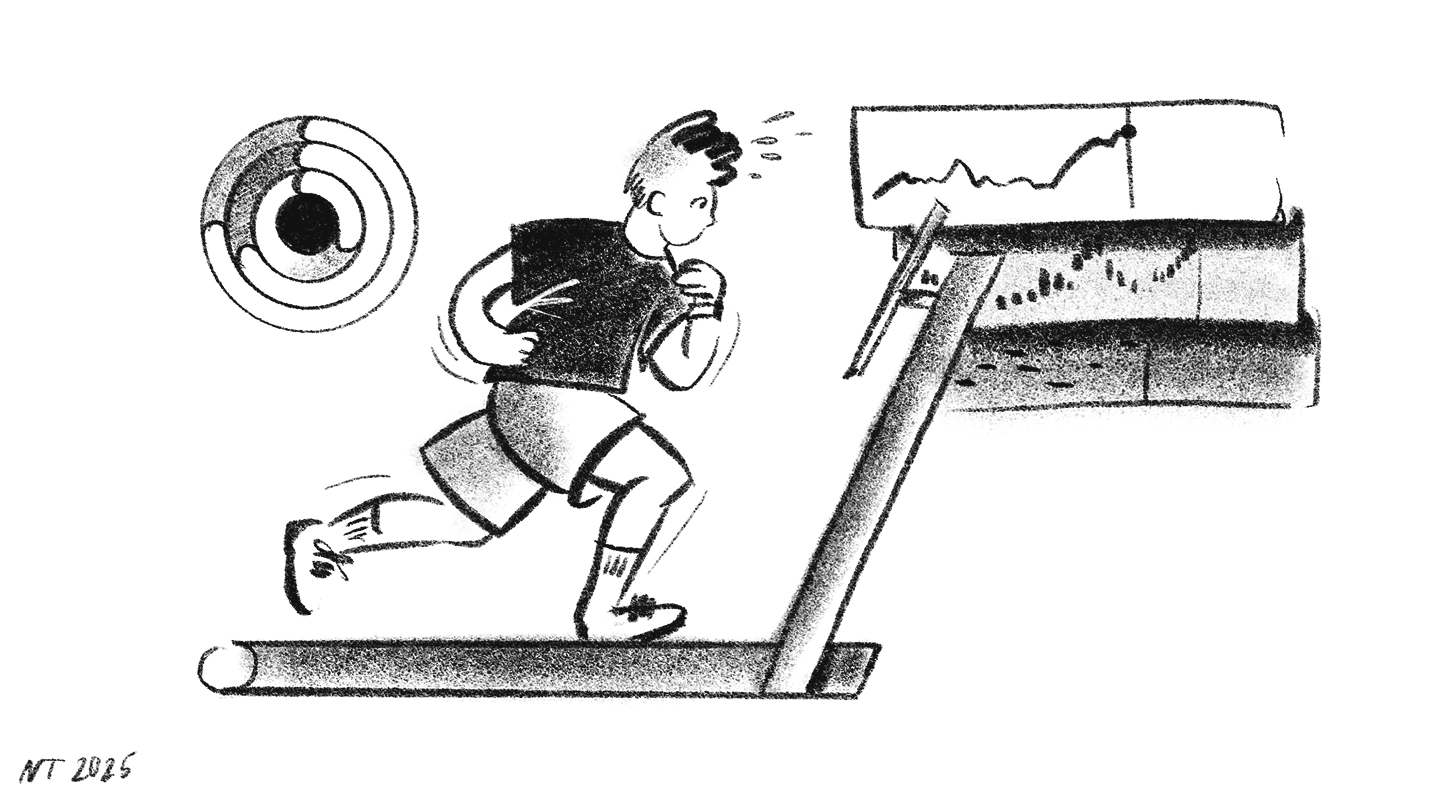
Personalization works when it feels like support, not surveillance. Use behavioral and performance data to create progress that feels human:
The best experiences act like coaches; they’re encouraging, responsive, and empathetic. Meaningful personalization increases retention because it makes every interaction feel authentic and earned.
Zillennials are often described as the burned-out generation. Forty percent report feeling “almost always stressed” compared with 23% of older adults (McKinsey, 2025). They are seeking balance more than intensity. That’s why leading digital fitness experiences now integrate recovery and mindfulness, alongside physical training to build stronger engagement loops.
Features like stress tracking, breathing exercises, or mood journaling turn a fitness app into a wellness companion that supports motivation and mental resilience.
Make sure your trainers and partners embody the principle and are able to demonstrate that fitness value extends far beyond building muscle.
For Zillennials, fitness is about community. They expect to find like-minded people and connect meaningfully before, during, and after their workouts.
Build that sense of belonging through digital and physical designs that:
When progress is visible and shared, Zillennials stay engaged longer and feel a stronger connection to the brand. Using both digital and in-person touchpoints to help them build their community creates a clear path to greater adoption and lasting customer relationships.Putting it all together
The next generation of fitness products will be defined by how well design and technology understand each other. Human-first thinking gives shape to empathy; engineering turns that empathy into a consistent, scalable experience.
Our goal is simple: To create digital ecosystems that feel human, perform seamlessly, and evolve with every user interaction.
We help clients design and build digital fitness and wellness platforms that deliver measurable results and nurture relationships between people, their goals, and their communities. Whether crafting hybrid journeys, designing inclusive onboarding, or integrating mindfulness into performance products, our approach rests on one principle:
The best fitness experiences don’t just move users; they move people.